
LEND Trainees 2026–2027
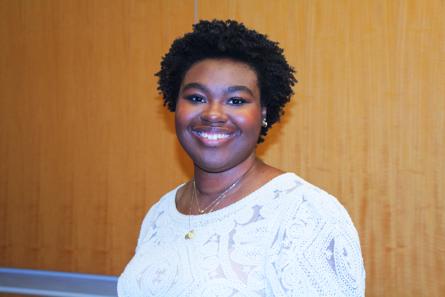
Regina Allen
I have been working with children with autism and other intellectual disabilities for nearly 4 years. As a registered behavioral technician ® I provide client-centered ABA therapy to children and adolescents under the supervision of my behavior analyst. I want to learn the other various ways to support my clients and their families beyond the scope of ABA therapy.
As a future professional in the field of social work, I want to support my clients and their caregivers beyond the stages of early intervention. Some families lack access to and other individuals age out of necessary programs and therapies without feasible alternatives. As a self-advocate I want to continue to push the bounds of society’s expectation of me and reshape the average person's definition of what disability looks like.
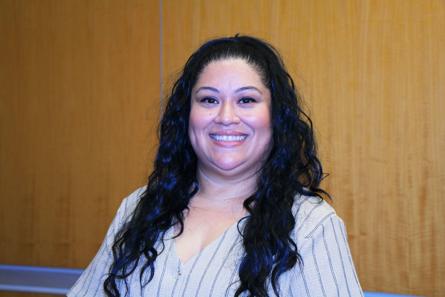
Marion Brisco
I have experience working with people with disabilities both personally and professionally. Growing up with a younger brother with ADHD and autism gave me firsthand insight into the experiences of individuals with disabilities and their families. Professionally, I worked as a psychometrist with children, administering psychological and developmental evaluations and helping families navigate the process of obtaining diagnoses, services, and resources. I am also a NICU parent, which strengthened my understanding of family-centered care, advocacy, and challenges families face with complex care systems.
During my LEND training, I hope to increase my knowledge of neurodevelopmental disabilities and learn from professionals in different disciplines on how we can best collaborate to improve outcomes for individuals with disabilities and their families. I also hope to strengthen my research skills and use those findings to improve the communities I work with.
As a future mental health counselor, I hope to create a supportive environment where people with disabilities and their families feel heard, respected, and empowered. I look forward to advocating alongside individuals and families, ensuring they are active participants in decisions that affect their lives and have equitable access to the services and resources they need. I am especially passionate about improving maternal mental healthcare for mothers raising children with disabilities or complex medical needs, as they may experience considerable emotional stress while navigating healthcare, educational, and community systems. Through counseling and advocacy, I hope to help these mothers prioritize their mental well-being, overcome barriers to care, and obtain the support they need for themselves and their families.
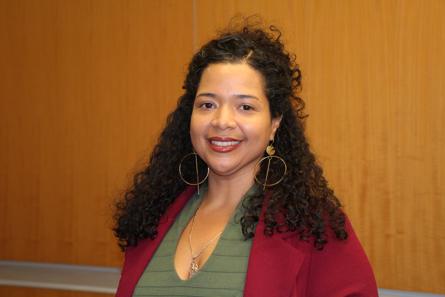
Ellenie Cruz-Hampton
I am grateful that throughout out my life I have been able to be in relationship with people with disabilities. In middle school I had the beautiful opportunity to be a peer buddy where I would support my peers with their class work and learning. This helped my peers gain confidence in their abilities and feel connected to students out side of their classroom. This also made it easier for my peers to identify others and them selves as a community member in the school. I am learning first hand as a mother to a medically complex child just how much work and advocacy is needed to support people with disabilities so that they can be treated with dignity and respect outside of their homes, in community and especially in care facilities.
I hope to learn how I can be more politically responsible. I need to learn how to impact and change policies so that they are more protective and equitable for people with disabilities and so that individuals and families can properly make life plans that fit their individual needs and desires. I want to see people with disabilities and their families have autonomy and agency over themselves where appropriate so they too can live the lives they desire.
I am hoping LA LEND will help me define my vision. I know I want to use my voice, skills and energy for advocacy to make sure the rights of those with disabilities is protected. I also plan to create a foundation to honor and support my daughter and families with children like her. Lastly, I am hoping to create materials that will allow all children to learn about other children and adults with disabilities. Not just to see diversity on a page but to see and learn about them as the main character as well.
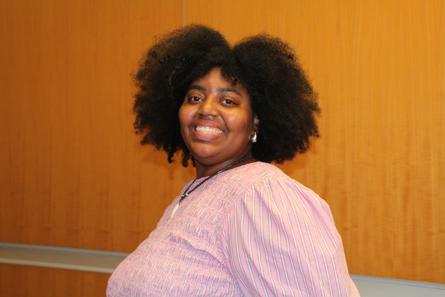
Morgan Dixon
My experience includes working with individuals with disabilities across the lifespan by providing speech-language therapy in a variety of settings. I have experience addressing multiple areas within the scope of speech-language pathology, including articulation, receptive and expressive language, social communication, fluency, voice, and other communication-related needs. I currently provide services to pediatric students ranging from pre-K 4 through eighth grade, collaborating with educators and families to support communication, participation, and academic success.
During my time with LEND, I hope to strengthen my knowledge, leadership skills, and ability to advocate effectively for individuals with disabilities and their families. I want to become a stronger ally and help amplify the voices of people with disabilities by promoting inclusion, accessibility, and equitable opportunities. Professionally, I hope to learn how to better connect individuals and families with resources, navigate systems of care, and collaborate across disciplines to reduce barriers and improve outcomes. Ultimately, I want to leave the program better equipped to empower the individuals and families I serve.
As a speech-language pathologist, I hope to make a meaningful difference by helping individuals with disabilities communicate effectively, build confidence, and participate fully in their communities. I want to create supportive, engaging environments where people feel heard, respected, and encouraged to pursue their goals. I also hope to empower families by providing education, resources, and advocacy so they feel confident in navigating services and supporting their loved ones. My goal is to help individuals recognize their strengths, expand their opportunities, and experience a higher quality of life.
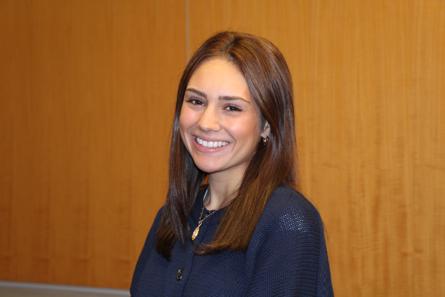
Lindsey Duhon
As a speech-language pathology student, I've had the opportunity to work with people with disabilities through Therapy Abroad in Thailand, Pediatric Therapy and Learning Center in Lafayette, and my clinical rotation at Manning Family Children's Outpatient Rehabilitation. I've worked alongside children and adults with autism, Down syndrome, developmental and communication disabilities, AAC needs, and individuals who are deaf or hard of hearing. Each experience has deepened my passion for providing compassionate, family-centered care.
I hope to learn from the lived experiences of individuals with disabilities and their families and gain a deeper understanding of what it means to truly partner with them. I'm excited to learn more about the wide range of disabilities and how to better support individuals across the lifespan. I also hope to become more familiar with the resources, services, and organizations available throughout Louisiana so I can better connect individuals and families with the support they need.
As a future professional, I hope to become the kind of clinician who listens first, values each person's perspective, and sees beyond a diagnosis. I want to help individuals with disabilities and their families feel heard, supported, and empowered by building relationships rooted in trust, advocating for greater access and inclusion, and providing care that recognizes each person's strengths, goals, and unique story. My hope is that every individual and family I work with feels valued long after they leave the therapy room.
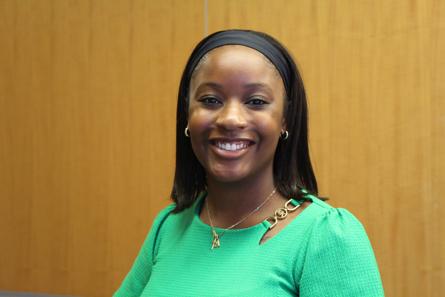
Amani Gray
During my undergraduate education, I had the privilege of serving as a mentor for the SPERO program at LSU Alexandria. In addition, I volunteered with the Special Olympics and helped host basketball camps for children with disabilities. Together, these experiences have strengthened my passion for serving individuals with disabilities and have shown me that compassionate care begins with listening, respecting each person's individuality, and advocating for equitable opportunities. They have also inspired me to continue learning how I can be a more effective advocate and healthcare provider throughout my career as a physician assistant.
I hope to gain a deeper understanding of the experiences of individuals with disabilities and their families so I can become a more compassionate, knowledgeable, and effective healthcare provider. I want to learn how to better advocate for this community, understand the barriers they face in accessing quality care, and develop the skills to help reduce those barriers.
I also hope to learn from individuals with lived experience, their families, and professionals from other disciplines. Hearing their perspectives will help me better understand their daily lives, challenges, strengths, and goals. Through the LEND program, I hope to strengthen my ability to collaborate with interdisciplinary teams, provide family-centered care, and become a stronger advocate both within the healthcare system and in my community. Ultimately, I want to carry these lessons into my career as a physician assistant so that every patient I serve feels respected, included, and empowered.
As a future physician assistant, I hope to create a safe, welcoming environment where individuals with disabilities and their families feel respected, heard, and empowered to participate in their own care. While I may never fully understand every challenge they face, I can listen with empathy, approach each person without assumptions, and advocate for care that reflects their individual goals and needs. I also hope to make a difference by educating myself on disability-inclusive practices, collaborating with families and other healthcare professionals, and helping connect patients with the resources and services they need. I want to be a provider who takes the time to listen, communicate clearly, and ensures that every patient feels valued rather than overlooked. My goal is to help reduce barriers to healthcare and build trusting relationships so that individuals with disabilities and their families feel supported not only during a single visit, but throughout their healthcare journey.
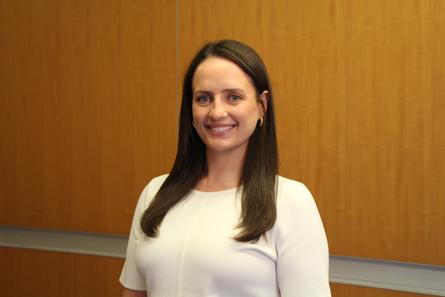
Margaret Hovan
Working with people with disabilities has been one of the most rewarding parts of both my teaching and dental careers. Before dental school, I spent six years as a high school science teacher, where I taught students with a wide range of learning differences and special healthcare needs. I've also taught swim lessons for over ten years, including one-on-one lessons for children with autism and Down syndrome. Since starting dental school, I've become heavily involved in special care dentistry through community outreach, the LSU Special Care Clinic, and the Special Care Dentistry Association. Those experiences have shown me how important it is to meet people where they are, adapt to their individual needs, and build trust with both patients and their families.
I'm excited to learn from people outside of dentistry. I want to better understand how different professions work together to support individuals with disabilities across their lifespan and how oral health fits into that bigger picture. I also hope to learn directly from self-advocates and families, whose experiences will help me become a more thoughtful and effective provider. Ultimately, I want to leave LEND with the knowledge and leadership skills to advocate for better access to care and help strengthen special care dentistry within my community.
I hope to be the kind of dentist who helps make oral healthcare more accessible, less intimidating, and more inclusive for people with disabilities. Beyond treating patients, I want to advocate for better training in special care dentistry, encourage collaboration across healthcare professions, and help future providers feel confident caring for this population. I'm also excited to bring what I learn through LEND back to LSU's Special Care Clinic so that we can continue building a program that provides high-quality, compassionate care while training the next generation of dentists to do the same.
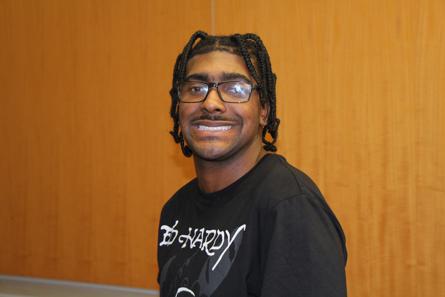
Dedrick Jackson, Jr.
I have worked with people with disabilities since middle school and high school in small-group settings. When someone was confused about a question, I helped guide them and explain what to do. Then, I gave them the opportunity to complete the work on their own. We communicated with and helped one another, including encouraging each other to ask for help when we needed it.
During LEND, I hope to learn more about advocacy and helping people speak up for themselves. I want to encourage people who may be shy or unsure to ask questions, communicate what they need, and step outside of their comfort zones. I want people to know that it is okay to ask for help at school, at work, and in the community.
I hope to raise awareness about disabilities and help people understand what individuals with disabilities can do. I was made fun of because of my disability, but I did not let that stop me. I want other people with disabilities to be proud of who they are and not feel ashamed.
Kennedy Jones
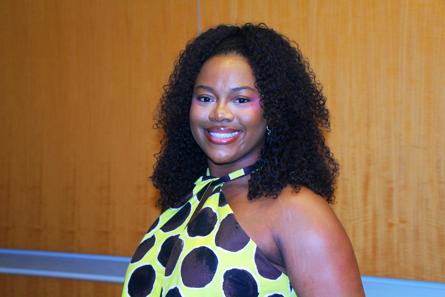
As a graduate student in Speech-Language Pathology, I have gained experience working with individuals with a variety of communication, cognitive, and swallowing disorders across both pediatric and adult populations. Through clinical placements at the Xavier University Speech-Language and Hearing Clinic, the Therapeutic Learning Center, and the Southeast Louisiana War Veterans Home, I have provided treatment and support for individuals with aphasia, dysphagia, cognitive-communication impairments, autism, speech sound disorders, and social communication challenges. I have also worked alongside interdisciplinary teams, including occupational therapists, social workers, dietitians, nursing staff, and families, to provide patient-centered care. Beyond my clinical experiences, volunteering at a community health fair conducting cognitive screenings reinforced the importance of accessibility, education, and advocacy for individuals with disabilities and their families. These experiences have strengthened my passion for providing compassionate, evidence-based care and supporting individuals across the lifespan.
During my LEND training, I hope to learn how to become a stronger advocate and interdisciplinary leader for individuals with disabilities and their families. I want to deepen my understanding of disability policy, family-centered care, and the social and environmental factors that can affect access to services. I also hope to learn from professionals, self-advocates, and families with diverse perspectives so that I can provide more holistic, culturally responsive care as a future speech-language pathologist.
As a future speech-language pathologist‚ I hope to advocate for people with disabilities and empower families to be effective and involved decision-makers in the care of their loved ones with a disability․ I hope to ease equitable access to quality speech-language services‚ guide families in navigating existing supports/services‚ and support families to be informed advocates for needed services․ I envision continuing my work with interdisciplinary teams to improve the outcomes of people with developmental and communication disorders․ I want to utilize my clinical skills‚ leadership strengths‚ and service-oriented motivation to help create more inclusive communities‚ so that people can communicate and receive the services necessary to reach their potential․
Brittany Knoerzer
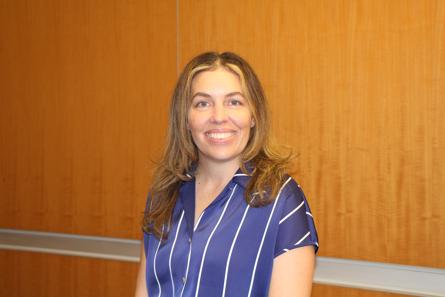
For more than a decade, I have worked in special education staffing to ensure that public school children receive the services and therapies they need to thrive. In my free time, I've volunteered with Special Olympics for eight years, most recently serving as a Healthy Hearing screener.
This dedication is personal; my mother was a public-school teacher who taught me the importance of championing a student’s needs and ensuring equal access. When my brother required accommodations in school, I saw how essential advocacy and the protections of IDEA are for a child’s success. These experiences have shaped my understanding of disability and continue to guide my work in audiology and community service.
I hope to deepen my understanding of disability law, particularly as it applies to students in the public school system and the protections that shape their educational access. I am also eager to learn how to best support patients who are transitioning out of pediatric services and navigating increasingly complex healthcare systems.
I’m excited for the opportunity to work directly with families, learn from their lived experiences, and better understand the challenges they face. Equally important to me is connecting with my cohort; learning about their passions, perspectives, and goals so we can collaborate throughout our training and into our future careers.
I want to be the best-informed clinician I can be so I can connect with my patients on a personal level and ensure they can access every service and support available to them. I am committed to expanding my knowledge to advocate effectively, guide families through complex systems, and remove barriers to care. I also hope to educate institutions and colleagues on how to incorporate more inclusive practices both locally and statewide.
Acacia Payton-Coleman
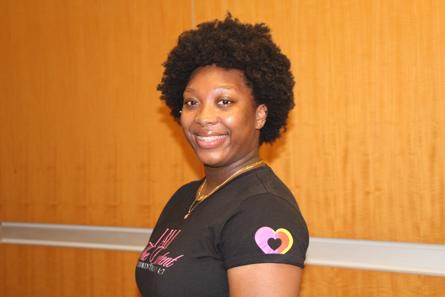
My work with developmental and neurodevelopmental disabilities is rooted in direct, individualized support. As a Behavioral Therapy Assistant for a private client with autism, I implemented structured emotional and behavioral regulation strategies, utilized de-escalation techniques during high-emotion situations, and documented behavior patterns to track client progress.
As a LA LEND Graduate Scholar, I aim to merge my clinical mental health training with systemic, interdisciplinary advocacy. I want to look past isolated clinical settings to understand how public health policy, community networks, and healthcare systems impact families dealing with neurodevelopmental disabilities (NDDs) and autism. Specifically, I plan to leverage the program's policy and legislative seminars to learn how to dismantle systemic barriers that prevent minority and low-income families from receiving early, equitable diagnoses. I am eager to learn directly from the family mentorship component, ensuring that the real, lived experiences of local families inform my clinical education and shape my upcoming Capstone Leadership Project. I am excited for this new journey!!
As a future Clinical Mental Health Counselor, my mission is to provide comprehensive care at the intersection of perinatal mental health, early neurodevelopment, and family systems. I will contribute to the field by expanding the availability of trauma-informed, culturally competent mental health spaces in Louisiana. Through my current leadership role as the Alliance of POC Coordinator for the Louisiana Chapter of Postpartum Support International (PSI), I will advocate for minority families who face disproportionate challenges in maternal-child health and development. Ultimately, I intend to use my unique combination of clinical counseling skills, infant care expertise, and policy training to educate communities, influence local healthcare legislation, and ensure neurodivergent youth receive the early resources they need to thrive.
Medium-Term Trainees
Mohammad Ahmad
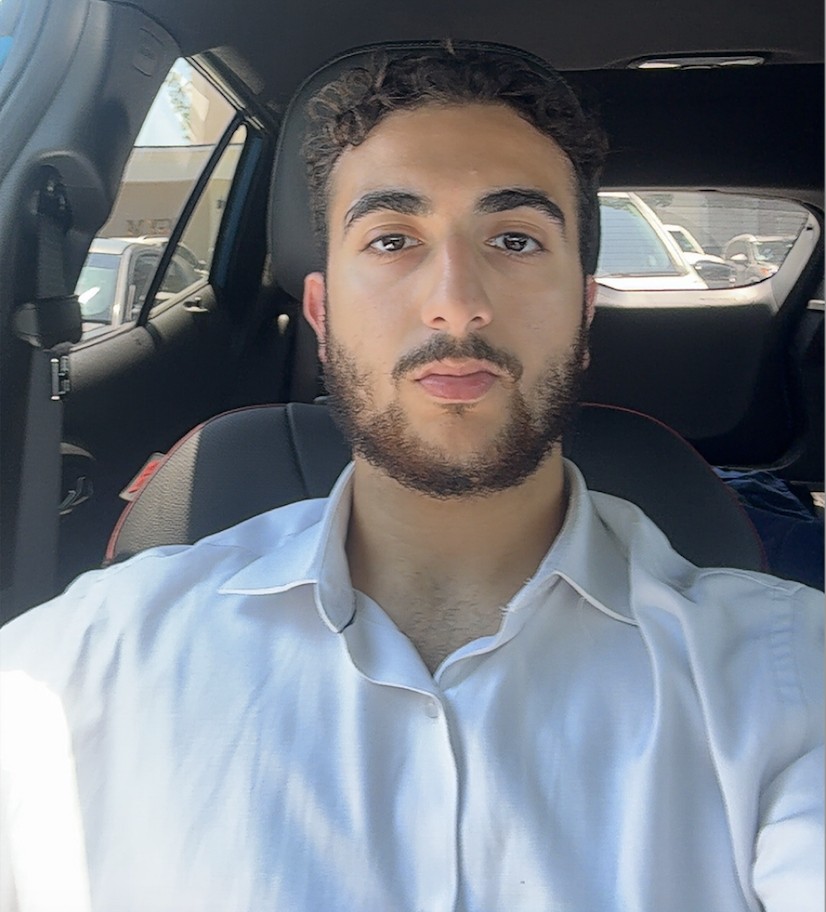
Mohammad Ahmad has experience working with individuals with disabilities through my work in physical therapy, clinical rotations, and the Louisiana Department of Health’s Office for Citizens with Developmental Disabilities (OCDD), which provides services and support to individuals with developmental disabilities. These experiences have allowed him to support individuals with developmental and physical disabilities while promoting independence, safety, and overall quality of life.
During his LEND training, Mohammed hopes to learn more about supporting individuals with developmental disabilities and their families through a multidisciplinary and family-centered approach. He also hopes to strengthen his communication, advocacy, and clinical skills so he can become a more well-rounded physical therapist and better serve individuals with disabilities in his community.
As a future physical therapist, Ahmad hopes to make a difference by providing compassionate, individualized care that helps people with disabilities reach their goals and live as independently as possible. He also wants to advocate for individuals and their families, ensuring their voices are heard and they have access to the resources and support they need.
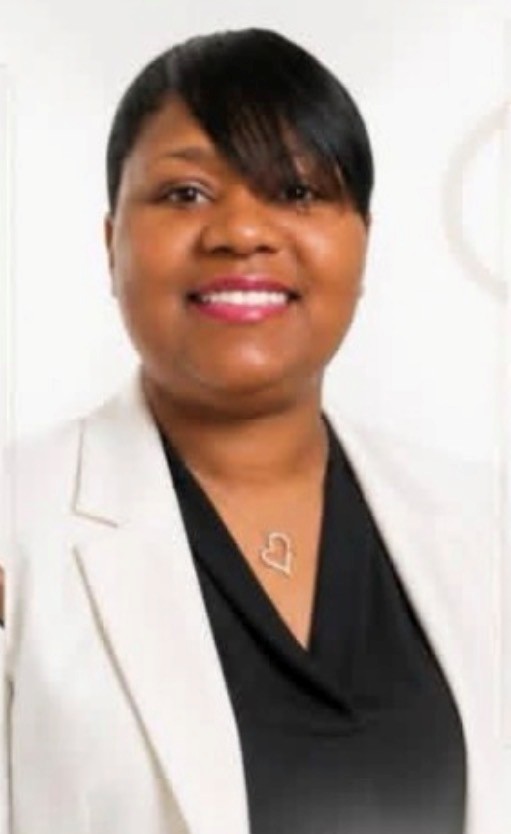
Yiesha McFarland
Yiesha McFarland's past experience working in the field of disabilities is working in the community setting, providing services for over 15 years on how to live, receive an education, and working with your disabilities. Most of her work has been in education and servicing students with disabilities and mental and behavioral health and psychology. My current experience is to empower, support, and encourage this population of people to reach their maximum health, learning, and social capacity. This is done by meeting people where they are in life and moving them forward with their disability.
Yiesha's goals for the LEND training is to gain more clinical experience and review more disability cases in real time. This experience will provide her with the necessary training to advocate, support, and write new policies to better service patients with disabilities. Along with them having the resources for them to function in their community. Also, Yiesha plans to strength her ability to assess patients and provide observations.
As a professional, Yiesha plans to contribute to accurate documentation, quality services, consistent data on the patients' progress in order for them to have accurate and current services, records, and their healthcare needs met. Along with providing an in-depth clinical, functional, educational, and work capabilities evaluation of patients.
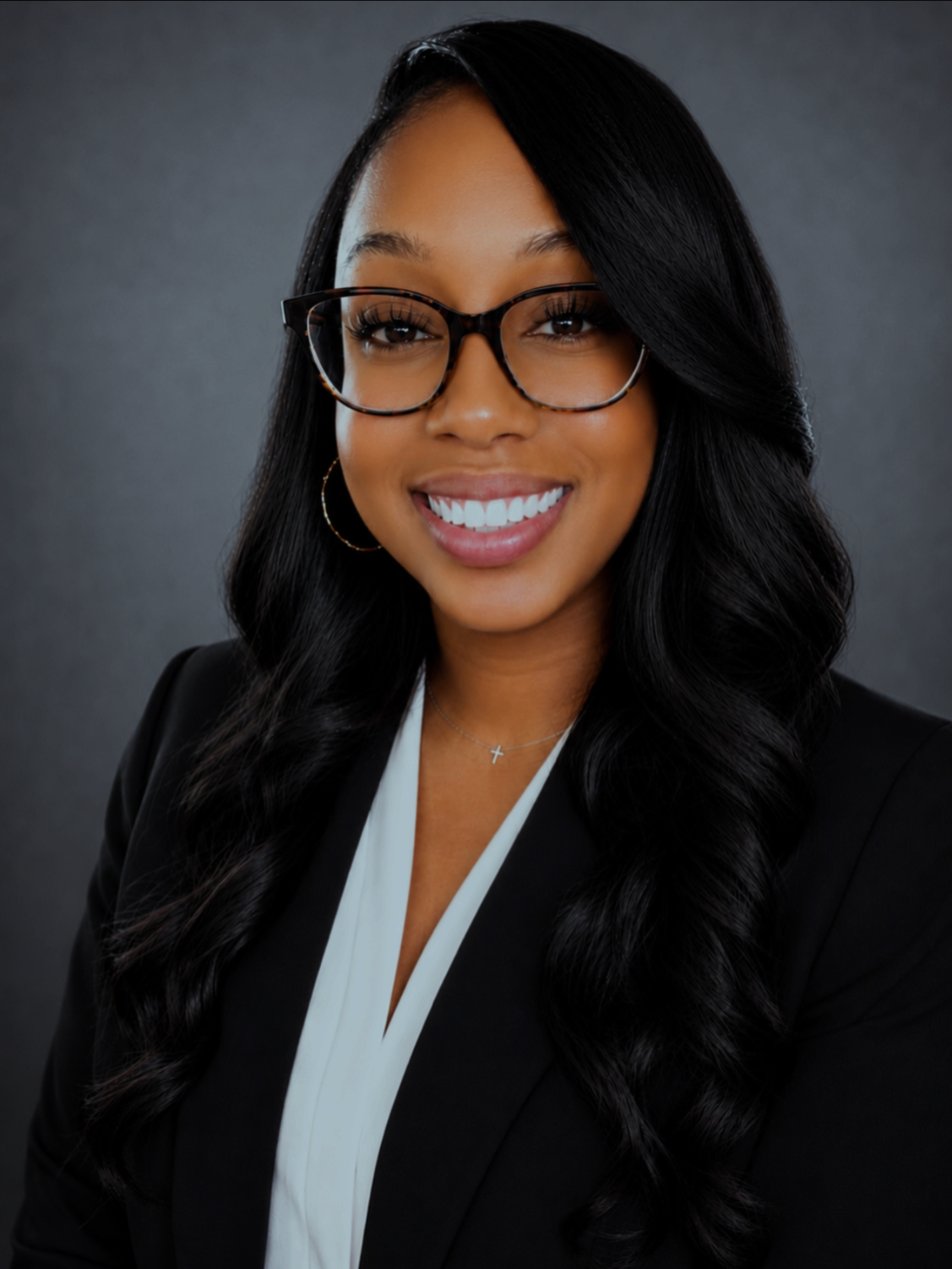
Monique Nelson
Monique Nelson has over nine years of experience in Applied Behavior Analysis (ABA) and five years of experience in special education. Her special education background includes supporting students in both inclusive and self-contained settings, which has allowed her to work with individuals with a wide range of abilities and support needs. These experiences have strengthened her commitment to promoting independence, meaningful inclusion, self-advocacy, and opportunities for individuals with disabilities across school, community, and transition settings.
During her LEND training, Monique hopes to expand her knowledge of inclusive, person-centered approaches that support individuals with disabilities as they transition into adulthood. She is especially interested in learning innovative and meaningful ways to integrate transition skills into everyday experiences while increasing access to postsecondary education, employment, independent living, and community participation. She also hopes to strengthen her ability to collaborate across disciplines to better support individuals and their families throughout the transition process.
As a future professional, Monique hopes to help create pathways that allow individuals with disabilities to live meaningful, independent, and self-determined lives. She wants to help bridge the gap between school-based services and adult opportunities by ensuring that transition planning is purposeful, individualized, and connected to real-world experiences. She also hopes to empower families with the knowledge, resources, and support needed to confidently advocate for their loved ones. Ultimately, Monique wants her work to focus not only on addressing an individual’s needs, but also on recognizing their strengths, interests, goals, and potential.